Did you know that aborted human fetal cells are used in vaccines?  Why?
Why?

Dr Nicholas Gonzalez (above)talks about the effects of electromagnetism on our bodies in this modern, crazy world we live in. Is it driving us crazy? At another site, he discusses..."Why Steve Jobs really died". These are eye-opening videos. Learn why the medical establishment and the drug industry was so afraid of this man and why they so much wanted to discredit him.

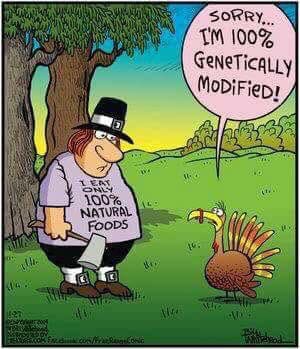
Toxicity, inherent in any genetically-altered food , causes all kind of problems, primarily effecting gluten and it's related proteins in wheat. These cause your blood sugar to yoyo, resulting in some really weird symptoms, such as mouth ulcers, depression and irritability, diabetes or hypoglycemia; even foggy thinking and memory loss. Most people just accept their heartburn, diarrhea, constipation, abdominal discomfort, and other occasional problems as normal. (That's life) The real culprit is inflammation, resulting from continuous consumption of wheat products. Dr. Thomas Levy, MD, JD, says wheat is one of the toxic foods masquerading as health food. Our daily consumption of wheat based foods is far beyond what we realize,( bread, biscuits, crackers, cookies, cakes, waffles, pancakes, breaded pork chops and other meats, etc) which should make us more aware of it's effect on our weight and wellness.
Food producers have gotten away with genetically modifying nearly everything in the grocery store for so long now, it will be that much harder to stop it, but we can stop buying all GM food. That will require a little effort on our part, like always looking for the non-GMO or organic labels, but we can put an end to this health wrecking food if we choose to.
The latest scientific evidence on the nature and strength of the links between diet and chronic diseases reveals that, since 2020, chronic diseases are accounting for almost three-quarters of all deaths worldwide. It has been calculated that, in 2001, chronic diseases contributed approximately 60% of the 56.5 million total reported deaths in the world and approximately 46% of the global burden of disease. (World Health Organization)
So what are the factors relating to diet that are causing this alarming increase in deaths from chronic disease?
Diet has been known for many years to play a key role as a risk factor for chronic diseases. What is apparent at the global level is that great changes have swept the entire world since the second half of the twentieth century, inducing major modifications in diet.
One of the reasons I hear people use for not buying organic food to live a healthier lifestyle, is the cost. There are a lot of methods you can adapt to your food preparation and storage habits that will mitigate the cost. Here are some I took from Dr. Mercola that were helpful to me... STOP WASTING FOOD!
Raw nuts and flours should be kept in the refrigerator to last longer without going rancid.
Line your refrigerator's crisper drawer with paper towels to absorb excess moisture, which will help keep produce longer.
To repel bugs, place a bay leaf in containers of rice, flour, and pastas.
Buy and keep bananas separated from one another. They spoil slower. You can also freeze overripe bananas for smoothies.
Turn almond butter, yogurt, sour cream, tahini, and cottage cheese containers upside down when stored in the fridge – this creates a vacuum seal, keeping them fresh longer.
Do not throw away nut meal from homemade nut milk – use it for smoothies or to make nut flours by placing the pulp on a baking sheet and drying it out in a 250 degree oven or dehydrator.
Repurpose vegetable pulp from juicing to add fiber to soups, smoothies, or make crackers or bread.
Place limp celery, baby carrots, lettuce and radishes in water with a slice of potato to make them crunchy again. I recently did this with some limp romaine that got that way just a couple of days after purchasing. It made the lettuce crisper than it was the day of purchase and stayed that way for several days. GREAT!
Keep all organic citrus fruits in the fridge – they will last up to 1-2 weeks longer.
Do not wash organic dark leafy greens or berries until they are ready to be consumed.
Store herbs, spring onions, and asparagus upright in a large glass filled with an inch of water.
If you know you will not have a chance to eat it, freeze food before it goes bad.
Choose to eat less, use a smaller plate to help you control the amount of food you might eat or end up wasting.
Compost all food waste to put nutrients back in your garden (you will spend less on fertilizer).
Some people have successfully put food scraps, leaves and grass clippings, wood chips, bark, cardboard (uncoated), etc. on the garden surface, without turning it under. They simply spread it evenly and let it be topsoil cover, like you find on the forest floor. This organic material will decompose from the bottom of the layer, so you can continually add more of the same...the deeper the better. There are many benefits to this type of gardening. Worms and other beneficial insects love this habitat and provide additional fertilizer and aeration. This organic top cover holds moisture very well and requires very little watering. When planting, just make a little hole and insert seed. Weeds typically do not penetrate your top cover, unless it is not deep enough. This environment is the most sustainable for growing the healthiest, bug and disease resistant produce.
Can, dry and freeze your own produce. When it comes to bought produce, the benefit of buying organic is to avoid ingesting pesticides and chemicals that are generally used on non-organic fruits and vegetables. That said, foods like bananas, avocados, oranges, melons, and grapefruits have a thick skin barrier between the outside world and the fruit itself so the pesticides actually never come in contact with the fruit that you eat, and of course these are fruits where the outer layer is typically discarded. Keep in mind...handling food that has been sprayed may be transferred to that which you consume, if you don't remember to wash it off with soap and water.
Contrast that with apples, tomatoes, pears, and other fruits and veggies where you eat the skin, and you'll see why it's important to choose organic for some and not for others. If a fruit has a thick skin that you discard and don't eat, save some cash and go with the non-organic version. Keep in mind, however. These have pesticide residue on them and may not be suitable as compost for organic gardens. Next up, there are other veggies that pests simply aren't attracted to due to their high sulfur content, such as onions and garlic. Don't bother spending the extra cash here either as these veggies aren't typically treated with pesticides in the first place. In my opinion, the best use of organic vegetables (if you have more than you can consume while fresh) is to naturally ferment them. Most of them will keep longer and provide the best natural probiotic available anywhere. I would add that any leaves or pruned plant material should be cut up or shredded and left in the garden and raked into your top cover at the end of the growing season. (all except weeds, of course) If you have composted all your yard waste, along with food scraps, you probably won't have to buy any fertilizer. Composted manure is often free from surrounding farms. Unfortunately, most farms are using so many antibiotics, hormones, GMO feeds, etc., that you may want to know about their farm practices before using their compost.
You can access organic, GMO free, lab tested and free of heavy metals products here.
Take a look at these websites for more great information.
http://healingsource.yolasite.com
http://thebetterway.yolasite.com